
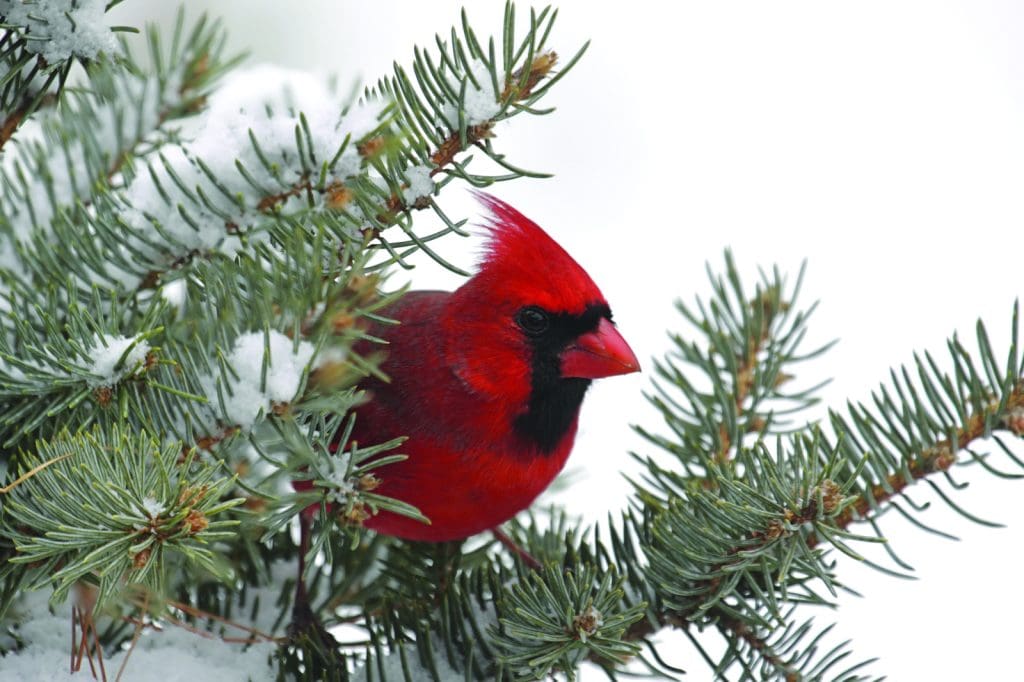
Helping Birds and Pollinators Survive
Winter can be a challenging season for wildlife, but your garden can play a powerful role in supporting birds, pollinators, and beneficial insects. With a few thoughtful choices, you can create a winter landscape that offers food, shelter, and life through the coldest months.
Leave Seed Heads for Natural Food
Instead of cutting everything back in fall, allow seed heads to remain on plants like coneflower, black-eyed Susan, asters, and ornamental grasses. These dried seed heads become a crucial food source for overwintering birds when natural resources are scarce. They also add texture and beauty to the winter landscape, catching frost and snow in ways that bring quiet interest to the garden.
Provide Fresh Water
Water is often harder for wildlife to find in winter than food. A simple birdbath can make a meaningful difference when temperatures drop. Use a heated birdbath or add a small de-icer to prevent ice from forming. Even shallow dishes changed regularly with warm water help birds stay hydrated and conserve their energy through winter storms.
Plant Native Shrubs With Berries
Native shrubs supply both food and shelter during the colder months. Red twig dogwood, winterberry holly, inkberry, and viburnum offer dense cover along with nutrient-rich berries that persist into winter. These shrubs also support pollinators earlier in the year, making them valuable across all seasons. Bayview Garden Nurseries carries plants from the American Beauties Native Plants line, a collection designed specifically to support local ecosystems and wildlife.
Leave a Little Mess for Habitat
Brush piles, leaf litter, and fallen stems create essential hiding places for insects and small animals. These microhabitats help pollinators overwinter safely and provide feeding opportunities for birds. A tidy garden is nice, but a slightly softer approach to winter cleanup is healthier for the ecosystem.
Strengthen Your Garden With Native Choices
Native plants are naturally adapted to local conditions and provide the right food sources at the right times. When planning next season’s garden, consider adding more natives to create a landscape that supports wildlife year-round and requires less maintenance.