
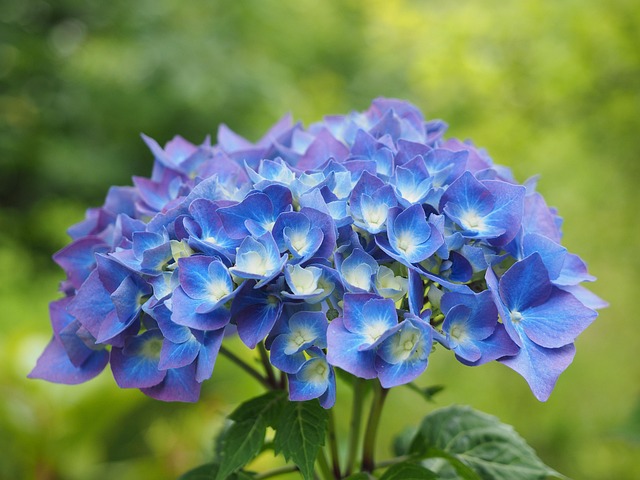
Hydrangeas are among the most popular flowering shrubs in the landscape, known for their stunning blooms and long-lasting color. But if your hydrangea is producing plenty of leaves and very few flowers, you’re not alone.
One of the most common gardening questions is, “Why isn’t my hydrangea blooming?” The answer often comes down to a few key factors, including pruning mistakes, winter damage, too much shade, excess fertilizer, or simply growing a variety that blooms differently than expected.
Let’s take a closer look at the most common causes and how to get your hydrangea blooming again.
Know What Type of Hydrangea You Have
The first step in solving bloom problems is identifying your hydrangea variety.
Different hydrangeas bloom on different types of wood:
Old Wood Bloomers
These hydrangeas form flower buds during the previous growing season.
Examples include:
- Bigleaf Hydrangea (Hydrangea macrophylla)
- Oakleaf Hydrangea
- Mountain Hydrangea
New Wood Bloomers
These varieties produce flowers on current season growth.
Examples include:
- Panicle Hydrangea
- Smooth Hydrangea
Knowing which type you have is important because pruning at the wrong time can remove flower buds before they ever have a chance to bloom.
Pruning at the Wrong Time
Improper pruning is one of the leading causes of bloom failure.
For hydrangeas that bloom on old wood, flower buds are formed during the previous year. If you prune in fall, winter, or early spring, you may accidentally remove those buds.
Best Practice
For old wood varieties:
- Prune only if needed
- Prune immediately after flowering
- Avoid heavy pruning later in the season
For new wood varieties:
- Prune in late winter or early spring before new growth begins
When in doubt, identify the variety before pruning.
Winter Damage Can Destroy Flower Buds
Cold winters and late spring frosts can damage flower buds, especially on hydrangeas that bloom on old wood.
Signs of winter damage include:
- Healthy leaves but no flowers
- Dead branch tips
- Sparse blooming
To help protect plants:
- Apply mulch around the root zone in late fall
- Avoid late-season fertilization
- Plant in locations protected from winter winds
Some years, severe weather can impact blooms no matter how healthy the plant may be.
Too Much Shade
Hydrangeas generally prefer a balance of sunlight and protection from intense afternoon heat.
Too much shade can result in:
- Fewer flowers
- Smaller blooms
- Weak or leggy growth
Most hydrangeas perform best with:
- Morning sun
- Afternoon shade
- Four to six hours of sunlight daily
If your hydrangea is heavily shaded by trees or buildings, additional sunlight may improve flowering.
Too Much Nitrogen
Fertilizer can sometimes contribute to bloom problems.
High-nitrogen fertilizers encourage lush green leaves but may reduce flower production.
Common sources include:
- Lawn fertilizers
- Over-fertilization
- Products designed primarily for foliage growth
If your hydrangea looks healthy and leafy but rarely flowers, excess nitrogen could be part of the problem.
Choose a balanced fertilizer designed for flowering shrubs and always follow label recommendations.
Young Hydrangeas May Need Time
Recently planted hydrangeas often spend their first few seasons focusing on root development.
As plants become established, blooming typically improves.
To support young plants:
- Water consistently
- Mulch around the base
- Avoid excessive fertilizer
- Be patient
Healthy roots are the foundation for future flowers.
Water Stress Can Affect Flowering
Hydrangeas prefer evenly moist soil.
Extended dry periods can stress plants and impact bloom production.
To encourage healthy growth:
- Water deeply during dry weather
- Mulch to retain moisture
- Avoid letting plants repeatedly dry out
Consistent moisture supports stronger roots and better flowering.
How to Encourage More Blooms
For the best flowering results:
- Identify your hydrangea variety
- Prune at the correct time
- Provide adequate sunlight
- Use balanced fertilizer
- Protect flower buds from winter damage
- Maintain consistent soil moisture
Small adjustments can often make a dramatic difference in flower production.
Frequently Asked Questions
Why does my hydrangea have leaves but no flowers?
The most common causes are improper pruning, winter damage, excessive shade, or too much nitrogen fertilizer.
Can I prune hydrangeas in spring?
Some varieties can be pruned in spring, while others will lose their flower buds. The correct timing depends on the type of hydrangea.
How much sun do hydrangeas need?
Most hydrangeas perform best with four to six hours of sunlight daily, especially morning sun.
Does fertilizer help hydrangeas bloom?
A balanced fertilizer can support blooming, but excessive nitrogen often encourages leaves instead of flowers.
Can winter weather prevent hydrangea blooms?
Yes. Cold temperatures and late frosts can damage flower buds, particularly on varieties that bloom on old wood.
Visit Bayview Garden Nurseries
Not sure what type of hydrangea you have or how to encourage more blooms? The knowledgeable team at Bayview Garden Nurseries can help you identify your hydrangea variety and recommend the right products and care techniques for success.
BAYVIEW GARDEN NURSERIES
2711 Zion Road
Northfield, NJ 08225
Hours
Monday-Friday: 9:00 AM-5:00 PM
Saturday: 9:00 AM-3:00 PM
Sunday: 10:00 AM-2:00 PM
Avalon Design Center
2819 Dune, Unit 6
Avalon, NJ 08202
Visit us for beautiful hydrangeas, flowering shrubs, garden supplies, and expert gardening advice.