A thriving garden starts below the surface. While flowers and foliage get the spotlight, it is the foundation of mulch, soil, and fertilizer that truly drives healthy growth. Understanding how to use these essentials can make the difference between a struggling garden and one that flourishes all season long.
At Bayview Garden Nurseries in Northfield, NJ, we help gardeners build success from the ground up.
Why the Right Foundation Matters
Plants rely on strong roots, consistent moisture, and proper nutrients. Without the right balance, even the best plants will underperform. Getting your soil, mulch, and feeding routine right sets everything else in motion.
Soil: Where It All Begins
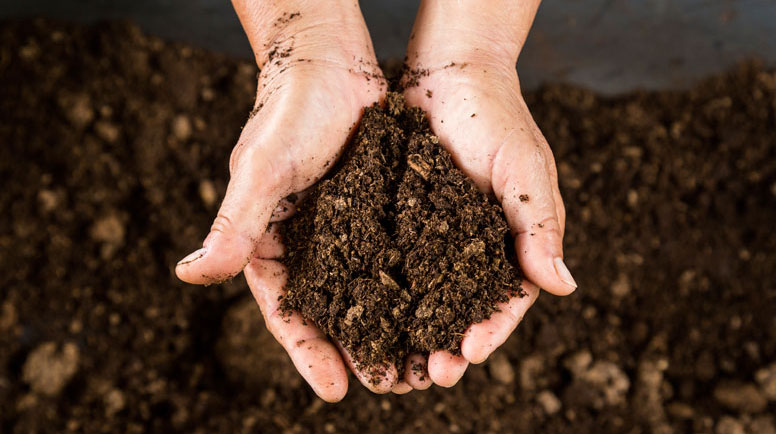
Healthy soil is the backbone of your garden. It provides structure, nutrients, and the ability to hold water while still draining properly.
What to look for in good soil:
- Loose, crumbly texture that allows roots to grow easily
- Rich in organic matter
- Drains well but retains enough moisture
Tips for better soil:
- Mix in compost to improve structure and fertility
- Use raised bed or garden soil blends for planting areas
- Refresh container soil each season for best results
Mulch: Your Garden’s Protective Layer
Mulch does more than make your garden look finished. It plays a key role in maintaining plant health.
Benefits of mulch:
- Helps retain soil moisture
- Regulates soil temperature
- Suppresses weeds
- Prevents soil erosion
How to use mulch:
- Apply a 2 to 3 inch layer around plants
- Keep mulch a few inches away from plant stems and tree trunks
- Replenish as it breaks down over time
Organic mulches like bark, shredded wood, or pine straw also improve soil as they decompose.
Fertilizer: Feeding for Growth
Plants need nutrients to grow strong and produce flowers, fruits, and foliage. Fertilizer provides those essential elements when soil alone is not enough.
The basics:
- Nitrogen supports leafy growth
- Phosphorus helps with root and flower development
- Potassium improves overall plant health
How to fertilize effectively:
- Choose a fertilizer suited to your plants
- Follow label directions to avoid overfeeding
- Use slow release fertilizers for steady nutrition
- Supplement with liquid feed during peak growing season if needed
Putting It All Together
Think of these three elements as a team:
- Soil supports and nourishes roots
- Mulch protects and stabilizes the environment
- Fertilizer fuels ongoing growth
When used together correctly, they create the ideal conditions for plants to thrive.
Common Mistakes to Avoid
- Using garden soil in containers, which can lead to poor drainage
- Applying too much fertilizer, which can damage plants
- Piling mulch against stems, causing rot
- Ignoring soil quality and expecting plants to perform anyway
Visit Us This Season
Whether you are starting a new garden or improving an existing one, Bayview Garden Nurseries in Northfield, NJ has the mulch, soil, and fertilizers you need to set your garden up for success.
FAQs
How often should I fertilize my garden?
It depends on the plant type and fertilizer used, but most plants benefit from regular feeding every few weeks during the growing season.
Is mulch necessary every year?
Yes, mulch breaks down over time and should be replenished to maintain its benefits.
Can I use the same soil for all plants?
Not always. Different plants have different needs, so choose soil blends that match what you are growing.
What is the easiest way to improve poor soil?
Adding compost is one of the most effective and simple ways to improve soil quality.