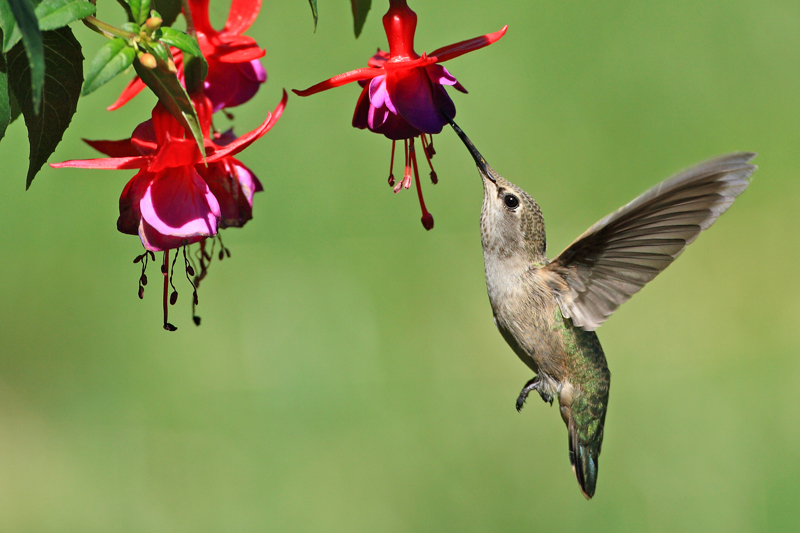
As winter fades and the first signs of spring appear, pollinators begin searching for food. Early blooming plants play a critical role in supporting bees and butterflies when nectar sources are still limited. Adding these plants to your garden not only helps pollinators thrive but also brings color and life to your landscape right away.
At Bayview Garden Nurseries in Northfield, NJ, spring is the perfect time to explore plants that wake up early and get your garden buzzing.
Why Early Bloomers Matter
Bees and butterflies emerge early in the season, often before many plants begin flowering. Without reliable nectar and pollen sources, their survival can be at risk. By planting early bloomers, you provide essential fuel during this important window.
Top 10 Early Blooming Plants
1. Crocus
One of the first flowers to appear, crocus pushes through the soil in late winter to early spring. These low growing blooms are a favorite for early bees.
2. Snowdrops
Delicate and hardy, snowdrops bloom even in cold conditions. They offer an early nectar source when little else is available.
3. Hellebores (Lenten Rose)
Hellebores bloom in late winter to early spring and thrive in shady areas. Their long lasting flowers are a valuable food source for pollinators.
4. Lungwort (Pulmonaria)
Known for its spotted leaves and color changing flowers, lungwort blooms early and attracts bees looking for nectar.
5. Virginia Bluebells
These soft blue flowers create a stunning display in early spring and are highly attractive to pollinators.
6. Forsythia
With its bright yellow blooms, forsythia is a classic spring shrub that provides early pollen for bees.
7. Creeping Phlox
This ground cover bursts into color in early spring and draws in butterflies and bees alike.
8. Bleeding Heart
A shade loving perennial, bleeding heart produces unique heart shaped blooms that attract early pollinators.
9. Columbine (Aquilegia)
Columbine blooms in early to mid spring and is especially attractive to hummingbirds and butterflies.
10. Wild Geranium
This native plant blooms early and supports a wide range of pollinators with its accessible flowers.
Planting Tips for Success
- Choose a mix of sun and shade plants to cover different areas of your yard
- Plant in clusters to make it easier for pollinators to find food
- Avoid pesticides, especially during bloom time
- Include native plants whenever possible for the best results
Create a Season Long Pollinator Garden
Early bloomers are just the beginning. By combining early, mid, and late season plants, you can provide continuous support for pollinators from spring through fall.
Visit Us This Spring
If you are ready to bring your garden to life and support pollinators, visit Bayview Garden Nurseries in Northfield, NJ. Our team can help you select the right early blooming plants for your space and growing conditions.
FAQs
What is the best time to plant early bloomers?
Early spring or fall is ideal, depending on the plant type. Many bulbs should be planted in the fall for spring blooms.
Do early bloomers come back every year?
Most early bloomers are perennials or bulbs that return year after year with proper care.
Can I grow these plants in containers?
Yes, many early bloomers like crocus, hellebores, and creeping phlox do well in containers with proper drainage.
Are these plants safe for all pollinators?
Yes, these plants provide safe, natural nectar and pollen sources when grown without harmful chemicals.